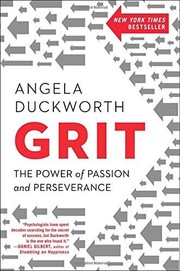
 Grit
Grit
Affiliate links: Sticky Idea may earn a commission, at no extra cost to you.
Psychologist Angela Duckworth argues that the strongest predictor of high achievement isn't talent but grit — the combination of passion and sustained perseverance toward long-term goals. Drawing on studies of cadets, spelling-bee champions, and top performers, she shows that effort counts twice: it builds skill, and then turns skill into accomplishment. Crucially, she argues grit can be grown through interest, deliberate practice, purpose, and hope.
- Effort beats talent over time
- Grit is passion plus perseverance
- Grit can be cultivated
Is it worth reading?Yes if you're interested in achievement, motivation, or raising resilient kids. Note that some of the research has been debated, so read it as a compelling framework rather than settled science.
The 3 big ideas from Grit
Effort beats talent over time
Talent matters, but sustained effort matters more for long-term success. Duckworth argues effort counts twice — it builds skill and then converts skill into achievement.
Grit is passion plus perseverance
Gritty people don't just work hard; they stay committed to the same top-level goals for years. Consistency of direction, not just intensity, defines grit.
Grit can be cultivated
Interest, deliberate practice, a sense of purpose, and hope can be deliberately developed. Grit isn't a fixed trait you either have or lack.
Read the ideas free
See the ideas in real life
Put Grit to work
FAQ
What is the main idea of Grit?
That perseverance and passion for long-term goals — not raw talent — best predict success, and that grit can be developed through interest, practice, purpose, and hope.
Is Grit worth reading?
Yes if you're interested in achievement, motivation, or raising resilient kids. Note that some of the research has been debated, so read it as a compelling framework rather than settled science.
Can you actually become grittier?
Duckworth argues yes — by deepening genuine interest, practicing deliberately, connecting work to a larger purpose, and cultivating a hopeful, growth-oriented mindset.
More like Grit

Did you find what you were looking for?
Not quite? Tap what was off:
Thank you. We read every answer, and pages get fixed from what readers tell us.