 Mindset
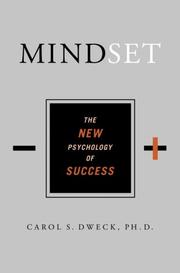
Mindset
Psychologist Carol Dweck distinguishes two beliefs about ability. In a fixed mindset, people believe their talents are set, so they avoid challenges and fear failure. In a growth mindset, they believe abilities can be developed through effort and learning, so they embrace challenges and persist. Dweck shows how these beliefs shape achievement in school, work, sports, and relationships — and that shifting toward a growth mindset can change outcomes.
- Two mindsets shape everything
- Failure is information, not a verdict
- Praise effort and strategy, not talent
The 3 big ideas from Mindset
Two mindsets shape everything
A fixed mindset treats ability as static; a growth mindset treats it as developable. Which one you hold influences how you handle challenge, effort, and failure.
Failure is information, not a verdict
In a growth mindset, setbacks are feedback for learning rather than proof of inadequacy. This reframing makes people more resilient and willing to keep improving.
Praise effort and strategy, not talent
Praising people for being 'smart' can push them toward a fixed mindset; praising effort, process, and progress encourages growth. This matters especially with children.
Read the ideas free
FAQ
What is the main idea of Mindset?
That believing abilities can grow (a growth mindset) leads to more learning and achievement than believing they're fixed (a fixed mindset), because it changes how you respond to challenges and failure.
Is Mindset worth reading?
Yes if you want the original source of the growth-mindset idea, with applications to school, work, sport, and parenting. Note some classroom interventions have shown mixed results in later studies.
How do I develop a growth mindset?
Treat challenges as chances to learn, view effort as the path to mastery, see failure as feedback, and notice fixed-mindset self-talk so you can reframe it.