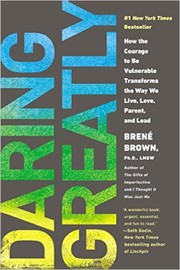
 Daring Greatly
Daring Greatly
Drawing on years of research, Brown argues that vulnerability — the willingness to show up and be seen without guarantees — is not weakness but the birthplace of courage, connection, and creativity. She distinguishes shame (the fear of being unworthy of belonging) from guilt, and shows how numbing vulnerability also numbs joy. Living 'wholeheartedly' means daring to be seen anyway. The title comes from a Theodore Roosevelt speech about the person in the arena.
- Vulnerability is courage, not weakness
- Shame thrives in silence
- You can't selectively numb
The 3 big ideas from Daring Greatly
Vulnerability is courage, not weakness
Showing up without knowing how it will turn out is the foundation of real connection and brave work. What looks like weakness from the outside is usually the bravest thing in the room.
Shame thrives in silence
Shame is the fear that we're unworthy of love and belonging, and it grows when hidden. Naming it and sharing it with someone who's earned our trust drains its power.
You can't selectively numb
Trying to numb fear, disappointment, and shame also dulls joy, gratitude, and love. Wholehearted living means feeling the hard emotions to keep access to the good ones.
Read the ideas free
FAQ
What is the main message of Daring Greatly?
That vulnerability is the source of courage, connection, and creativity — not a weakness to avoid. Daring to be seen, despite uncertainty and the risk of shame, is what makes a wholehearted life possible.
Is Daring Greatly worth reading?
Yes if you want research-backed insight into shame, vulnerability, and connection. It's accessible and personal, and has resonated with millions, including through Brown's famous TED talk.
Who should read Daring Greatly?
Anyone navigating leadership, parenting, relationships, or creative work who struggles with perfectionism or fear of judgment. It's especially helpful for understanding and defusing shame.