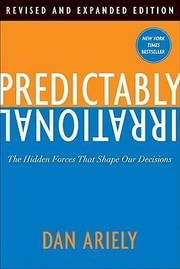
 Predictably Irrational
Predictably Irrational
Behavioral economist Dan Ariely shows through playful experiments that our irrational behavior isn't random — it's systematic and predictable. We're swayed by arbitrary anchors, lose our heads over 'FREE,' judge things by comparison rather than absolute value, and behave differently in social versus market settings. Understanding these consistent quirks, he argues, helps us design better choices and guard against the forces that quietly mislead us.
- Our irrationality is systematic
- The power of FREE
- We judge by comparison
The 3 big ideas from Predictably Irrational
Our irrationality is systematic
We don't err randomly; we make the same predictable mistakes again and again. Because the patterns are consistent, they can be studied and anticipated.
The power of FREE
Zero is an emotional price, not just a number. People will choose a worse 'free' option over a better paid one, because free removes the fear of loss.
We judge by comparison
We rarely value things in absolute terms; we compare. Sellers exploit this by adding a decoy option that makes their target choice look like a bargain.
Read the ideas free
FAQ
What is Predictably Irrational about?
How people make consistently irrational decisions in predictable ways — driven by anchoring, the lure of free, relativity, social norms, and more — and what those patterns reveal about human behavior.
Is Predictably Irrational worth reading?
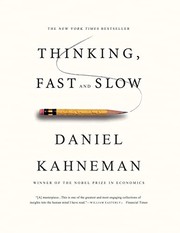
Yes — it's an entertaining, accessible introduction to behavioral economics, full of memorable experiments. A great starting point if Thinking, Fast and Slow feels too dense.
Who should read Predictably Irrational?
Anyone curious about why we make poor decisions, plus marketers, product designers, and consumers who want to spot the tricks that exploit our predictable biases.