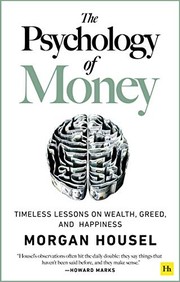
 The Psychology of Money
Affiliate links: Sticky Idea may earn a commission, at no extra cost to you.
Housel argues that doing well with money has little to do with intelligence and almost everything to do with behavior. Through a series of short stories, he shows how our personal history, ego, and emotions shape financial decisions. The keys to building wealth are unglamorous: spend less than you earn, give compounding decades to work, leave room for error, and define 'enough' so you don't risk what you have for what you don't need.
- Behavior beats brains with money
- Compounding rewards time and patience
- Know what 'enough' is
Is it worth reading?Yes — it's a short, highly readable collection of timeless lessons useful to beginners and experienced investors alike. Many consider it one of the best personal-finance books.
The 3 big ideas from The Psychology of Money
Behavior beats brains with money
Financial success depends far more on how you behave than on what you know. Ordinary people who save patiently often outperform brilliant investors who can't control themselves.
Compounding rewards time and patience
The biggest fortunes come from good-enough returns sustained over a very long time. The real magic is not high returns but uninterrupted decades of compounding.
Know what 'enough' is
Without a sense of enough, people risk what they have and need for what they don't. Defining enough protects you from greed-driven, ruinous mistakes.
Read the ideas free
See the ideas in real life
Put The Psychology of Money to work
FAQ
What is the main idea of The Psychology of Money?
That financial success is driven by behavior — patience, saving, humility, and controlling emotion — far more than by intelligence or technical knowledge. Wealth is largely what you don't spend.
Is The Psychology of Money worth reading?
Yes — it's a short, highly readable collection of timeless lessons useful to beginners and experienced investors alike. Many consider it one of the best personal-finance books.
Who should read The Psychology of Money?
Anyone who wants to make better money decisions, regardless of income or expertise. It's about mindset and behavior, not stock picks or complex strategies.
More like The Psychology of Money

Did you find what you were looking for?
Not quite? Tap what was off:
Thank you. We read every answer, and pages get fixed from what readers tell us.